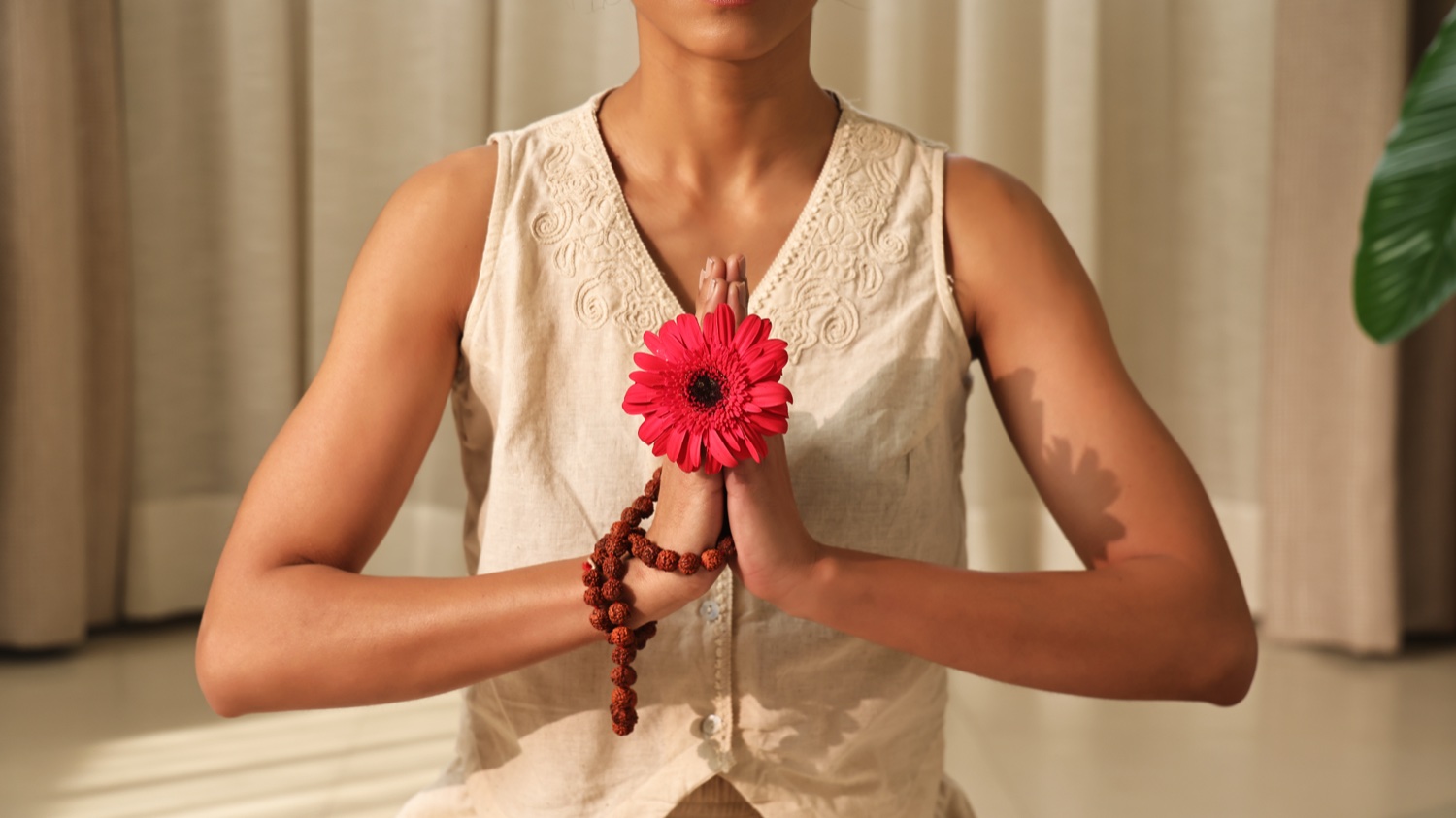
For anyone with a regular yoga practice, the days around practice invite a little extra self-care. A Kuzhambu, the semi-solid classical Ayurvedic preparation warmed and applied to a targeted area, fits naturally into that rhythm. Yoga and Ayurveda are companion systems, and a warm, focused application before or after practice is a pleasant way to support comfort and ease of movement on practice days.
Yoga and Ayurveda as Companion Systems
Classical India developed yoga and Ayurveda side by side, and they share a common view of the body and the daily order of living. Where yoga trains breath and movement, Ayurveda tends the body through routine, diet and oleation. Bringing a Kuzhambu into a yoga day is simply letting these two systems support one another. The aim is comfort and suppleness rather than any specific outcome, and the practice is gentle and traditional throughout.
Before Practice: Preparing the Body
A short pre-practice application warms and readies the areas you use most. Because a Kuzhambu is semi-solid, warm the container gently first, then apply a small amount to a targeted region such as the lower back, the hips or the knees, working it in slowly. Keep this brief so that the skin is not slippery for practice, and allow a little time before you begin. The intention is to arrive on the mat feeling supple and unhurried rather than to coat the whole body.
After Practice: Settling and Recovery
A post-practice application suits a calm wind-down. Once you have finished and rested, warm a Kuzhambu and give focused attention to the areas that worked hardest. This is where the lingering quality of a semi-solid preparation is welcome, since a slow, targeted application invites the body to settle. Following the classical oil-then-warmth order, a warm shower afterwards rounds off the session comfortably.
A Simple Practice-Day Routine
- Warm the Kuzhambu container gently before use, as it firms when cool.
- Before practice, apply a small amount to a key area and allow a short interval.
- Keep the pre-practice application light so the skin is not slippery on the mat.
- After practice, give a slower, focused application to the areas you used most.
- Finish with a warm shower, keeping the traditional oil-then-warmth sequence.
Choosing a Preparation for Yoga Days
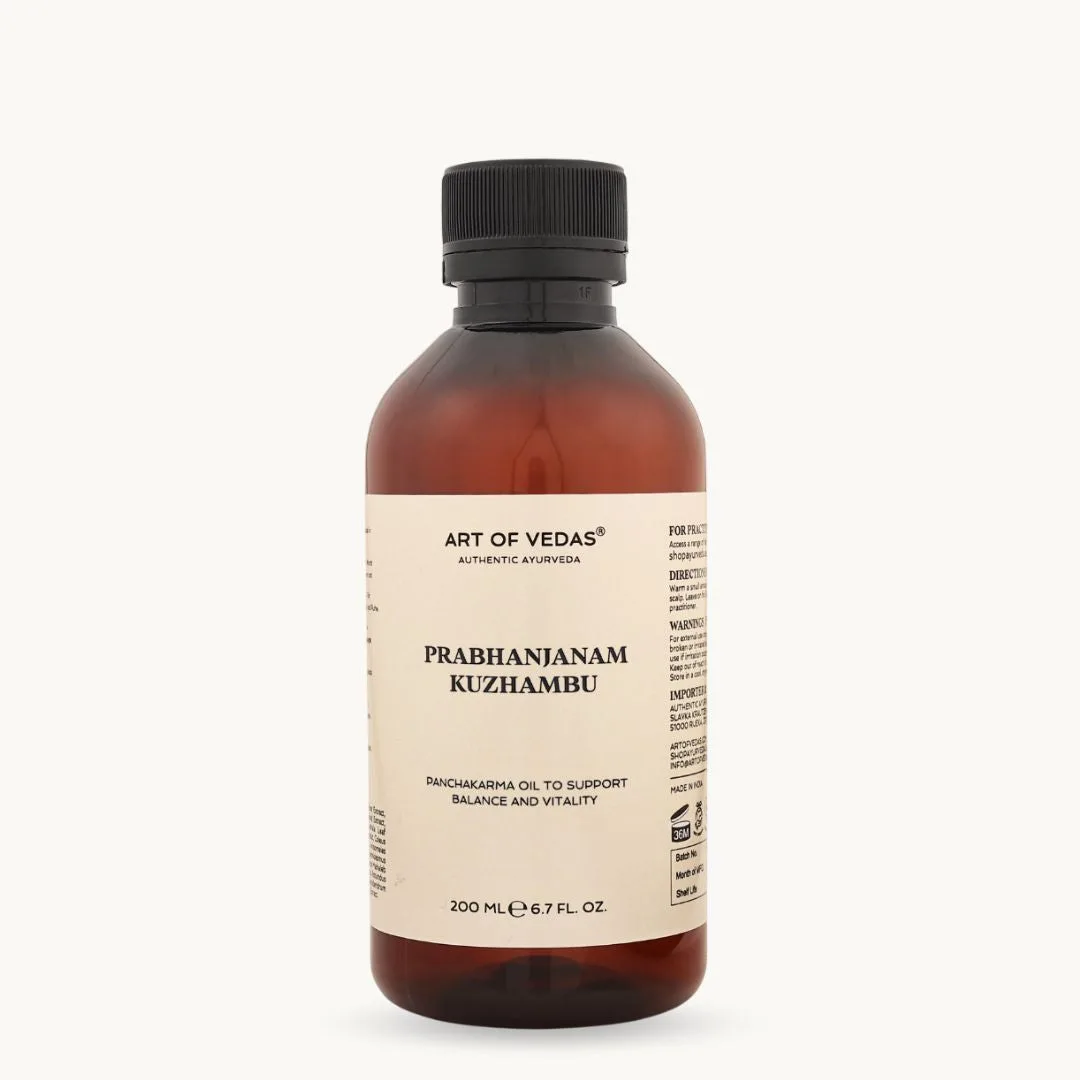
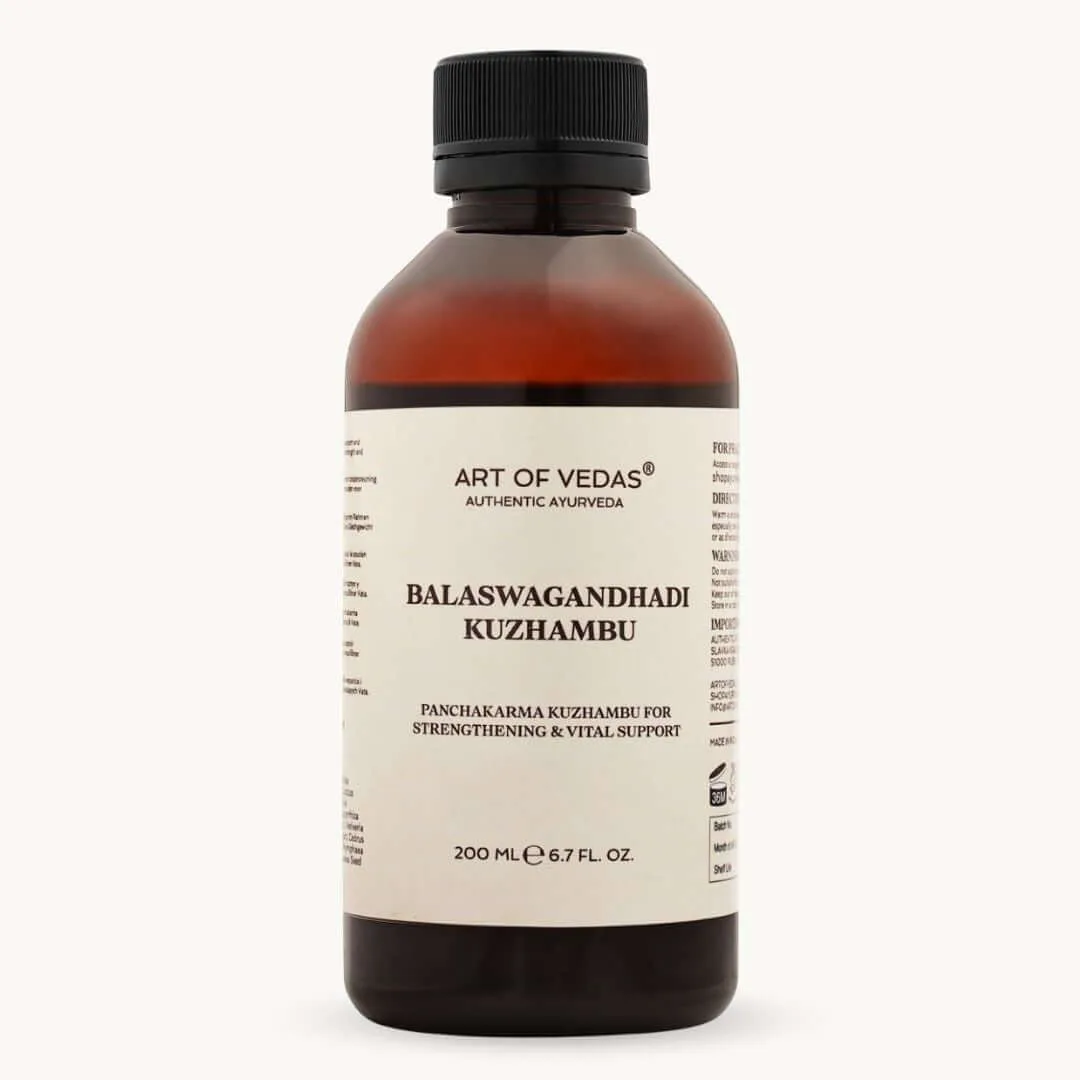
A general classical preparation suits most yoga routines. Balaaswagandhadi Kuzhambu and Prabhanjanam Kuzhambu are two semi-solid preparations well suited to focused attention on practice days. To place this within the wider tradition, read the Kuzhambu complete guide, the Yoga and Ayurveda guide on how the two systems work together, and the Mahanarayana oil for yoga practitioners guide, a proven routine for pre- and post-practice care.
Frequently Asked Questions
Should I apply a Kuzhambu before or after yoga?
Either suits. A light pre-practice application readies key areas, while a slower post-practice application supports a calm wind-down. Many practitioners do a little of both.
Will a Kuzhambu make me too slippery to practise?
Not if you keep the pre-practice application small and targeted, and allow a short interval before you begin. Save the fuller application for after practice.
Which areas should I focus on?
The regions you use most, such as the lower back, hips, knees and shoulders. A Kuzhambu is made for this kind of targeted attention.
Do I need to bathe afterwards?
A warm shower after a post-practice application keeps to the classical oil-then-warmth order and rounds off the session comfortably.
Can beginners to yoga use a Kuzhambu this way?
Yes. The routine is gentle and traditional. Warm the preparation, apply it slowly to a chosen area, and keep the practice consistent and unhurried.
Kuzhambu preparations from Art of Vedas are for external use only. They are personal care products, not medicines. For professional Panchakarma use, appropriate practitioner training applies. Consult a practitioner before use if pregnant or if you have a medical condition.